Aggiornamento sulle buone pratiche aziendali
Aggiornamento sulle buone pratiche aziendali 2025
Scopri come abbiamo lavorato per ridurre al minimo il nostro impatto sul pianeta nell'anno fiscale 2025.
Accettiamo

Since 2010, we’ve designed with inspiration from cradle-to-cradle principles. These principles mirror nature’s regenerative cycles and are realistic in informing our day-to-day decision making. Our considered approach means that our impact on climate has been built into how we work and what we make – not just added at the end.
A few ways that has shown up:
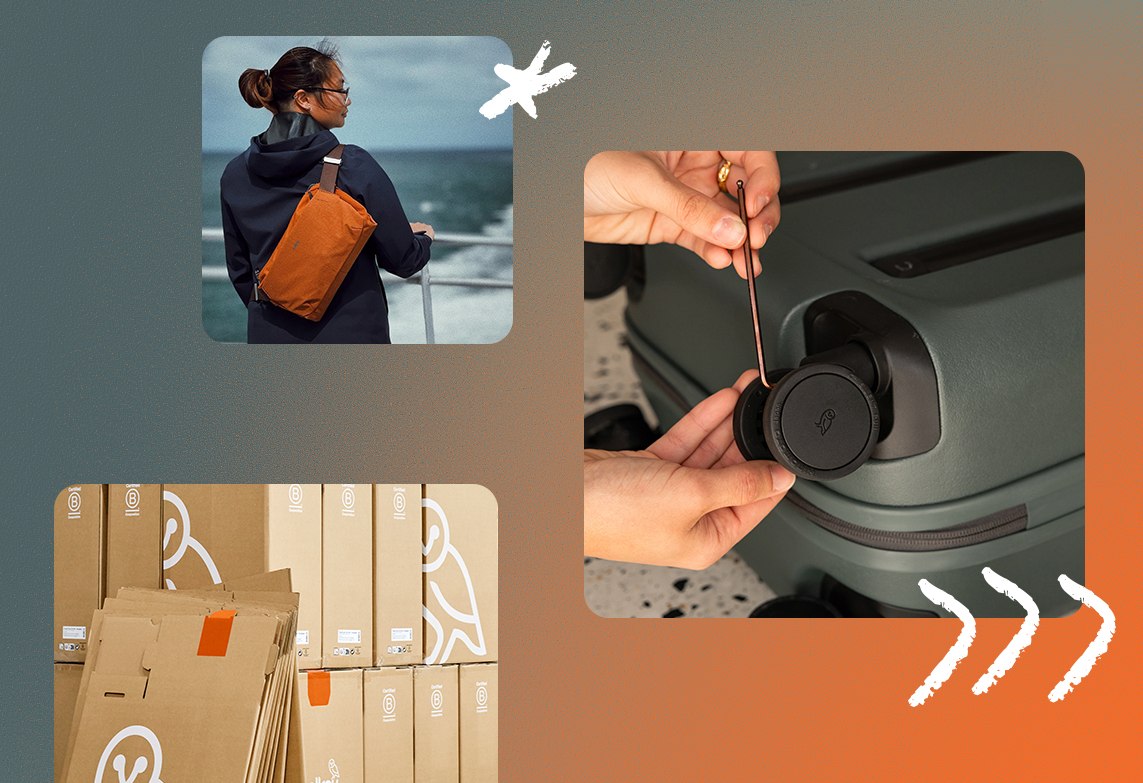
Longevity. Our number one environmental goal is to make products that are used and loved for as long as possible. Keeping goods in use is the single best thing we can do for our planet – because a new product requires resources at every stage of its process, from raw material through to shipping and logistics. All Bellroy products are designed to be timeless and long-lasting, and backed by a realistic warranty.

Recycled materials. In 2019, approximately 30% of our woven products were made from recycled plastic bottles. A year later, 90%. Today, all of our main body fabrics and linings are made from 100% recycled materials. We are transforming waste with zero value into a technical nutrient that is crafted into a desirable product with a long life.
Extended warranties. A product warranty is a way for us to define what ‘as long as possible’ means. In 2025, we extended our warranties from 3 years across the range, to 3 years on leather goods and accessories, 6 years on bags and 10 years on luggage. Many warranties promise a lifetime but only include manufacturing defects and workmanship, and exclude material degradation and failure modes that often render a product unusable. We stand by our assessment of how long the materials, hardware, coatings and components in our products are predicted to last within their expected conditions and frequency of use.
Repairability. When it came to designing our luggage, we made longevity the priority – with a focus on durability and repairability. Our self-repair Fix-It Kits avoid the large volumetric shipment emissions that come with warranty claims – bag back to the brand, onto a repair center (or into landfill), then repair or replacement back to the customer.

Lean manufacturing. We make what we sell, and not much more. Demand sets the pace of production. Design and supply planning work as one feedback loop – new products and improvements come in as older lines get wound down. The result: less unsold stock, less waste, fewer emissions.
Our purpose is to gear you up to move in the good* direction. And as part of that, to continue defining and sharing what we believe 'good' looks like.
Recent years have been the warmest on record. Communities and our ecosystems are bearing the impacts. At a time when climate efforts should accelerate, some businesses and governments are pulling back from climate commitments.
Within Bellroy, our crew ranked environmental conservation and climate change as the #1 concern facing the world right now.
It’s time to share what we're doing about it.

Bellroy is committed to supporting the global ambition to limit global warming to 1.5°C. Here’s how:
Measuring is just the first step in our commitment, and we’ll keep you updated on our progress here and in our future Good Business Updates.
Scopri come abbiamo lavorato per ridurre al minimo il nostro impatto sul pianeta nell'anno fiscale 2025.

Lavoriamo per un futuro in cui le persone, gli animali e l'ambiente si sostengano a vicenda.
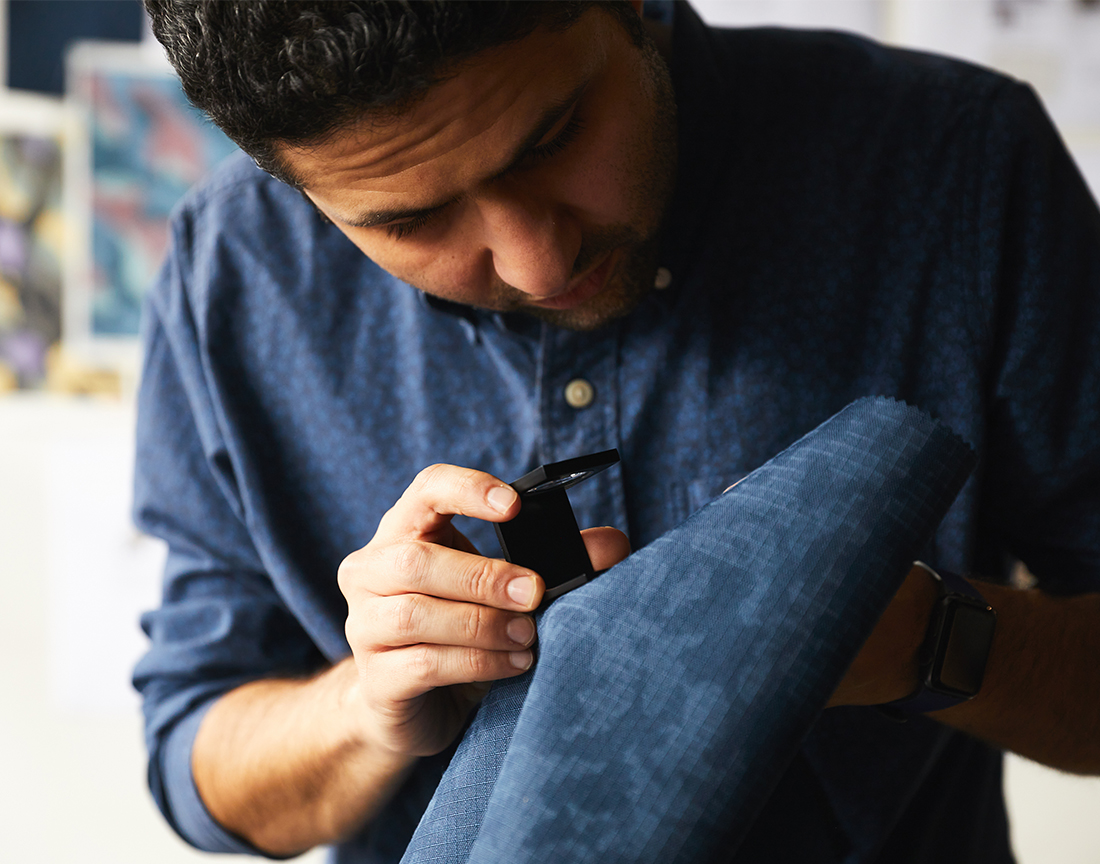
Scopri maggiori informazioni sul nostro approccio alle garanzie dei prodotti con un entusiasmante aggiornamento alla nostra categoria "borse".